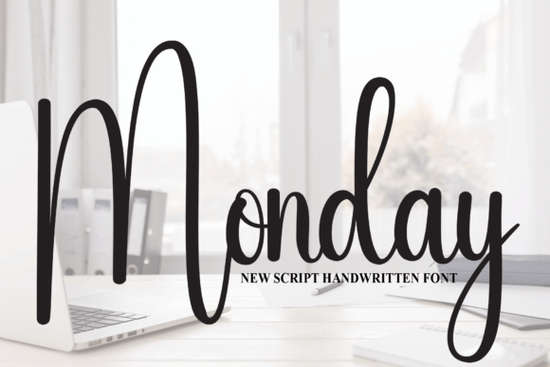
Choosing the right typography can make or break a design project, especially when you need something that feels personal and warm. The Monday Font is a sweet and friendly handwritten option that fits perfectly into this niche. It offers a relaxed vibe that works well for wedding invitations, greeting cards, and various creative projects needing a lovely touch. If you are a designer or crafter looking for versatility without sacrificing style, this script might be exactly what you need.
Many creators struggle to find a balance between legibility and personality. Handwritten styles often lean too far into decoration, making them hard to read at smaller sizes. However, this particular typeface maintains clarity while keeping that human feel. It is not just about aesthetics; it is about communication. When your audience can read your message easily, they connect with it better. This is why so many small business owners and hobbyists prefer scripts that feel authentic rather than overly manufactured.
What Makes This Script Suitable for Events?
Event materials require a specific tone. You want guests to feel welcomed before they even arrive. Using a font like this on invitations sets a friendly expectation. It suggests that the event will be warm and enjoyable. Beyond invitations, you can use it on place cards, menus, and thank-you notes. Consistency across these items creates a cohesive look that feels professional yet personal.
If you enjoy crafting physical items, this typeface is also featured in a CF Class focused on Making Custom Coozies Perfect For All Events. This shows its versatility beyond paper. You can apply it to fabric, wood, or vinyl projects. For those who sell print-on-demand products, having a font that translates well to different materials is a huge advantage. It allows you to expand your product range without needing new design assets for every item.
How Does It Compare to Other Handwritten Styles?
There are many script options available, and knowing how they differ helps you choose the right one. For example, if you prefer something with more personality quirks, you might explore the Overthinker style. It has a unique character that stands out in branding projects. On the other hand, if you need something bolder for headlines, checking out thicker script options might be more appropriate for your layout needs.
Romantic projects often benefit from softer curves. The Soulmate collection offers a similar vibe for couples looking to design their own wedding stationery. Each font brings a different emotional weight to the design. Monday sits comfortably in the middle, offering friendliness without being too casual or too formal. This balance makes it a safe choice for a wide range of clients and personal projects.
Can You Use It for Commercial Projects?
Most designers want to know if they can use their assets for client work. Generally, fonts purchased from reputable marketplaces come with licenses that allow commercial use, but you should always check the specific terms. Having a reliable license means you can sell products featuring this typography without worrying about legal issues. This is crucial for POD sellers and small business owners who rely on their designs for income.
When building a toolkit, variety is key. You might also consider adding the Smithson font to your library for a different texture. Having multiple options allows you to tailor each project to the client's specific brand voice. Some brands need energy, while others need calm. Your font library should reflect that range. For more details on this specific typeface, you can review the Monday font script details to see if it matches your current workflow.
What Are the Best Practices for Pairing?
Using a handwritten script alone can sometimes look incomplete. Pairing it with a clean sans-serif or a simple serif font creates contrast. This helps guide the reader's eye through the design. Use the script for headings or emphasis and the simpler font for body text. This hierarchy ensures that the most important information stands out while the rest remains easy to read.
Spacing is another critical factor. Handwritten fonts often need a bit more breathing room than standard typefaces. Adjusting the line height and letter spacing can prevent the design from looking cluttered. Test your combinations on different backgrounds too. A script that looks great on white might get lost on a busy pattern. Always preview your designs in context before finalizing them.
Quick Checklist for Using Handwritten Fonts
- Check Legibility: Ensure the text is readable at the intended size.
- Verify License: Confirm commercial use rights before selling products.
- Pair Wisely: Combine with simple fonts for balance.
- Test Materials: Preview how the font looks on different surfaces like fabric or vinyl.
- Keep Consistency: Use the same typeface across all event materials for a cohesive look.
Starting with a reliable font like this gives you a solid foundation for your creative work. Whether you are designing for a client or making something for yourself, the right typography saves time and improves results. Take the time to experiment with pairing and spacing to get the most out of your design assets.
Explore Design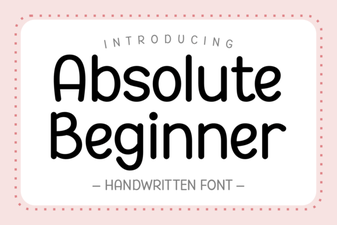 Best Fonts for Your First Design Project
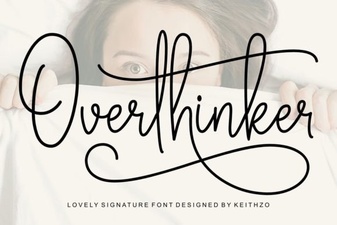 Fonts for Creative Overthinkers & Detailed Projects
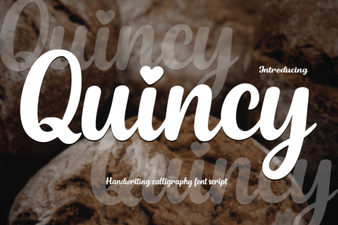 Quincy Font: Creative Typography for Unique Design Projects
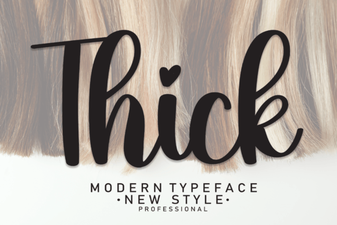 Thick Fonts: Bold Design for Modern Projects
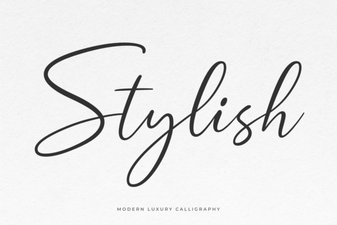 Design Elegance: Choosing the Right Stylish Font
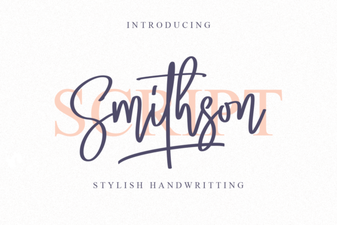 Smithson Font Design Ideas and Creative Uses