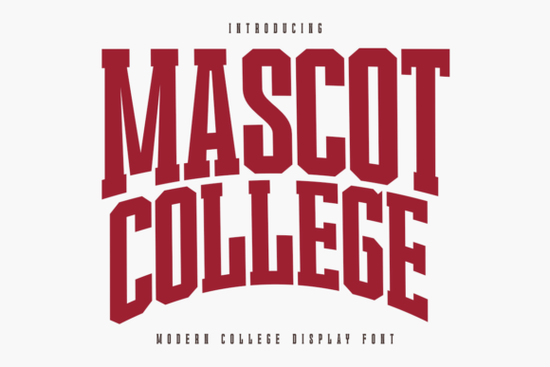
When you need a typeface that commands attention and brings a sense of team spirit to a project, choosing the right typography is critical. Designers and crafters often look for letters that feel strong, established, and energetic. The Mascot College Font fits this need by offering a bold, authoritative style rooted in classic varsity traditions. It is built with a blocky anatomy and slab-serif details that ensure readability even from a distance. Whether you are designing for a local sports league or creating merchandise for a school event, this tool provides the structural integrity needed for high-impact visuals.
Why choose a blocky slab-serif style?
Varsity typography relies on thick strokes and solid shapes to convey strength and unity. This specific style mimics the lettering found on university jackets and stadium signage. The heavy weight of the characters makes them ideal for headlines where clarity is paramount. Unlike thinner scripts that might get lost on a busy background, these strong outlines stand out against colors and textures. This durability in design is why athletic branding rarely changes; it works because it is instantly recognizable. If you appreciate classic vintage aesthetics, you will notice how this modern take preserves that timeless feel while updating the edges for digital screens and modern printing methods.
Which projects benefit from athletic lettering?
The primary use case for this typeface is anywhere team identity matters. T-shirt designs are the most common application, especially for reunions, tournaments, or spirit weeks. The clean lines translate well to screen printing and direct-to-garment methods. Beyond apparel, consider using it for logo creation. A sports team needs a mark that looks good on a jersey, a website, and a water bottle. Print on Demand sellers can leverage this style for niche markets like alumni gifts or fan merchandise. However, not every project needs such a heavy presence. For items requiring a softer touch, such as birthday invitations or playful stickers, you might prefer approachable lettering styles that feel more personal and less institutional.
How does this font perform on cutting machines?
For crafters using Cricut or Silhouette machines, the technical structure of a font matters just as much as its look. Complex scripts with connecting letters can be frustrating to weed, especially at smaller sizes. This typeface features separate, distinct characters with sharp outlines. This geometry ensures that the machine cuts cleanly without leaving behind tiny, fragile pieces of vinyl. It is particularly useful for heat transfer vinyl (HTV) where bridging and spacing are crucial for longevity. If you are working on youth league uniforms, you might sometimes need something softer. In those cases, exploring youth-oriented designs could complement the heavier varsity text for assistant information or player names.
When should you mix in different font styles?
While bold slab-serifs are excellent for headlines, a complete design often requires contrast. Pairing this athletic font with a simpler sans-serif for body text creates a hierarchy that guides the viewer's eye. You can also mix it with something more relaxed to balance the intensity. For example, a summer camp shirt might use the varsity style for the camp name but switch to bright seasonal themes for the dates or slogans. This combination keeps the design energetic without feeling too rigid. Similarly, if you are branding a community event that wants to feel inclusive rather than competitive, adding a touch of whimsical handwritten options can soften the overall message while keeping the main title strong.
What should you check before finalizing your design?
Before sending your file to print or cutting, there are a few practical steps to ensure quality. Typography is only one part of the production process, and preparation prevents wasted materials. Review your kerning to make sure letters are spaced evenly, as blocky fonts can look cramped if too close together. Check the contrast between your text color and the background material. Finally, always run a test cut or print a proof to verify sizing.
- Verify Spacing: Ensure letters are not touching unless intended for a specific ligature effect.
- Test Readability: View your design at 50% zoom to simulate viewing from a distance.
- Check Material Compatibility: Confirm the font weight works with your specific vinyl or fabric type.
- Review Licensing: Always check the license terms for commercial use if selling finished products.
- Save Variations: Keep versions with and without effects like outlines or shadows for future flexibility.
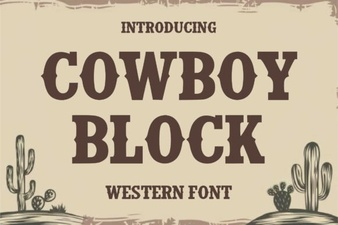 Bring Projects to Life with Cowboy Block Font
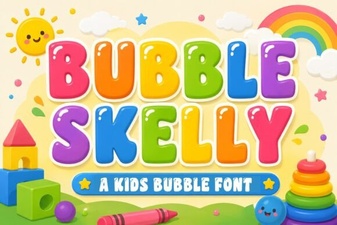 Unique Bubble Skelly Font Projects & Ideas
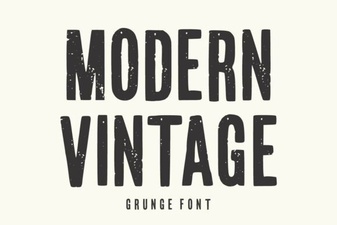 Unlock Your Projects with Modern Vintage Fonts
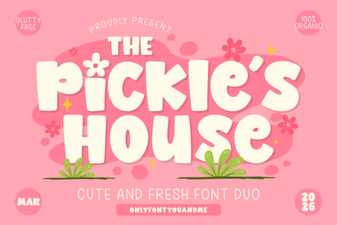 The Pickles House: a Font for Creative Projects
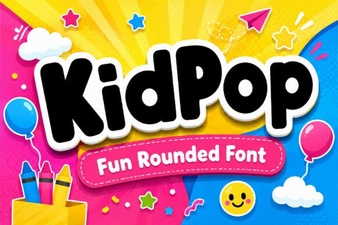 Kidpop Font: Playful Designs & Creative Projects
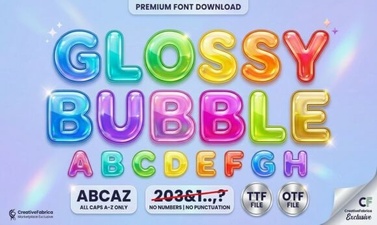 Designing with Glossy Bubble Fonts: Style Guide & Ideas