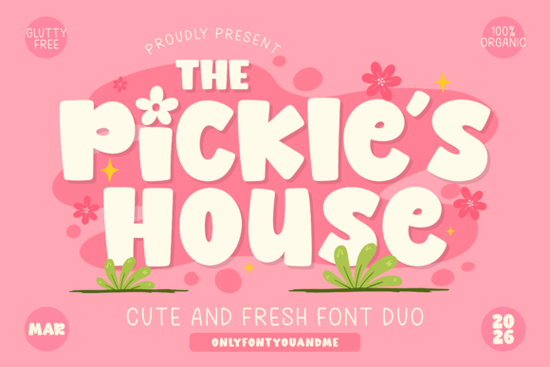
If you are looking for a typeface that feels warm and inviting, The Pickles House Font is a strong contender. This duo combines a bold, bubbly display style with a lighter handwritten script, making it versatile for many creative projects. Designers often struggle to find fonts that balance fun with readability, but this pair manages to do both without feeling messy. It brings a garden-inspired vibe that works well for brands wanting to appear wholesome and vibrant.
What makes this typeface duo unique?
The main appeal lies in the contrast between the two included styles. The primary font features chunky, rounded letterforms with soft edges. These shapes feel hand-crafted, giving off an organic impression rather than a rigid, digital look. The secondary font complements this with a casual, airy touch. When you use them together, the heavy display letters grab attention while the script adds a natural flow to longer text.
This combination helps create a visual hierarchy without needing too many different files. You can use the bold style for headlines and the handwritten version for subheaders or accents. This consistency keeps your design looking professional while maintaining a playful personality. It is particularly useful for creators who need to maintain a specific mood across different materials, from social media posts to physical product labels.
Where does this style work best?
Because of its cheerful nature, this font family fits perfectly into niches that rely on trust and friendliness. Food branding is a top use case. Imagine a jam jar label or a bakery logo where the text needs to feel homemade and fresh. The rounded edges mimic the softness of fresh produce or baked goods. It also suits kids' products, such as clothing tags or toy packaging, where safety and fun are key themes.
Organic packaging is another great fit. Customers often look for visual cues that suggest natural ingredients, and this typeface provides that signal instantly. If you are working on social media graphics for a lifestyle brand, these letters can make your posts feel more approachable. However, if you need something with more structure for a corporate client, you might consider browsing a retro-inspired option that offers sharper lines.
For school events or team merchandise, you might usually lean toward a collegiate style. But for a kindergarten party or a casual community gathering, this bubbly duo is much more appropriate. It removes the seriousness of traditional block letters and replaces it with warmth. This distinction is important when choosing typography for specific audiences.
How should you pair these fonts?
Using two styles from the same family is usually safe, but you still need to plan your layout. Start by deciding which message is most important. If the headline is the priority, set it in the bold display style. Use the handwritten font for supporting details like dates, ingredients, or taglines. Keep the sizes distinct so the reader knows where to look first.
Color choice also matters. Pastel greens, yellows, and soft oranges complement the garden vibe inherent in the design. Avoid harsh neons unless you are aiming for a specific pop-art look. If you want to experiment with brighter, citrus-themed colors, you might find inspiration from a bright citrus style palette. The goal is to keep the text legible against your background.
Whitespace is your friend here. Because the letters are rounded and somewhat wide, they need room to breathe. Crowding them together can make the text look cluttered and reduce readability. Give enough padding around your text blocks, especially on small items like stickers or business cards. This ensures the friendly personality of the font doesn't get lost in the noise.
What are some similar alternatives?
While this duo is versatile, you might want to explore other options depending on your project goals. If you need something with more western flair or heavier block shapes, you could look at a western-inspired display typeface. Those fonts often carry more weight and authority while still remaining decorative.
On the other hand, if your main goal is pure whimsy without the structured display element, you might prefer a quirky alternative. These types of fonts often lean harder into irregular shapes and playful distortions. It depends on whether you need the balance provided by the handwritten secondary font or if you want maximum personality in every letter.
Ultimately, the choice comes down to the message you want to send. If warmth and approachability are your main goals, this pickle-themed duo is a solid choice. It handles well in both print and digital formats, giving you flexibility as a creator. Just remember to check the license terms before using it for commercial products to ensure you are compliant.
Quick Design Checklist
- Check Legibility: Ensure the bold text is readable at small sizes before printing.
- Match Colors: Use earth tones or pastels to enhance the organic feel.
- Use Whitespace: Give the rounded letters enough room to avoid clutter.
- Verify License: Confirm commercial usage rights for physical products.
- Test Pairings: Try the script font with different weights to find the best balance.
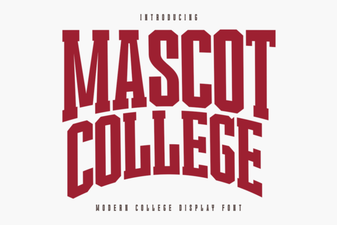 Designing with the Official Mascot College Font
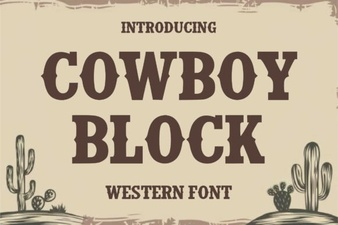 Bring Projects to Life with Cowboy Block Font
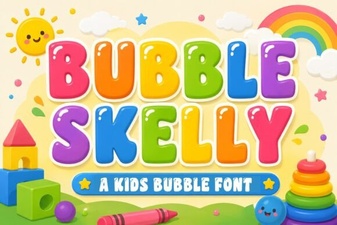 Unique Bubble Skelly Font Projects & Ideas
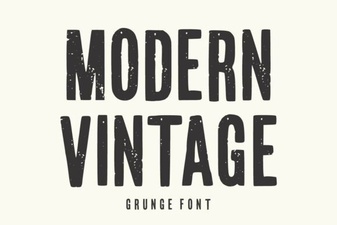 Unlock Your Projects with Modern Vintage Fonts
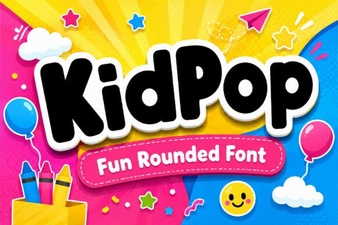 Kidpop Font: Playful Designs & Creative Projects
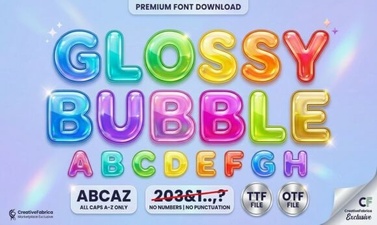 Designing with Glossy Bubble Fonts: Style Guide & Ideas