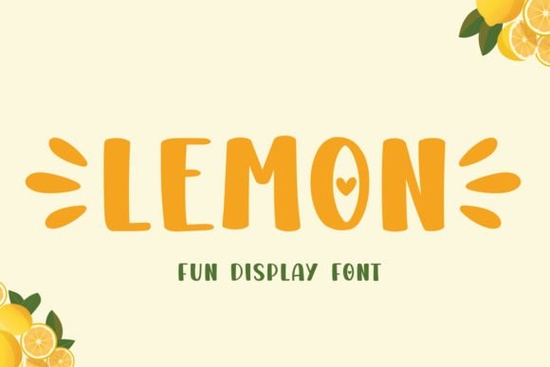
If you are looking for a typeface that feels like sunshine, the Lemon Font is a strong candidate for your next project. This display style brings a burst of energy to designs that need to feel warm and inviting. It works well for crafters who want to add a playful touch to greeting cards, home decor, or seasonal items. The strokes are lively, and the details feel whimsical without being hard to read. Whether you are making something for spring or preparing for back-to-school sales, this tool helps inject fun into your work.
What kinds of projects suit this typeface?
This font shines when the goal is to spread joy. It is particularly useful for print-on-demand sellers creating t-shirts for summer vacations or family reunions. The rounded edges make it friendly for children's products, such as nursery wall art or birthday invitations. Crafters using cutting machines like Cricut or Silhouette will find the shapes easy to weed from vinyl. Because the letters have a hand-drawn feel, they also translate well to embroidery projects where stiff geometric lines might look out of place.
Small business owners can use this for packaging labels on homemade goods like jams, soaps, or baked treats. It suggests a handmade quality that customers often appreciate. If you are designing for Valentine's Day or Mother's Day, the soft curves convey affection without being overly formal. It is versatile enough to handle short phrases on mugs or longer quotes on posters.
How does it work for seasonal designs?
Seasonal creativity often requires a shift in mood, and this typeface adapts well to changing themes. In spring, it complements floral illustrations and pastel color palettes. During summer, it pairs nicely with images of lemons, suns, and beach scenes. When autumn arrives, you can switch to warmer colors like orange and brown while keeping the playful structure of the letters. It even works for winter holidays if you want to avoid the standard stiff scripts often seen in December.
For back-to-school collections, the cheerful vibe helps reduce the stress associated with the season. Teachers might use it for classroom decor or welcome letters to parents. However, if you need something more structured for varsity jackets or sports teams, you might compare it with a varsity-style alphabet to see which fits your brand better. The key is matching the energy of the font to the message you want to send.
Can I mix it with other styles?
Pairing fonts is a common practice to create visual hierarchy. Since this style is playful, it works best when combined with a simpler sans-serif for body text. If you are creating a collection that spans different themes, variety is important. For example, a Halloween project might need a spookier touch, where a bubbly skeleton style could serve as a complementary option for specific headers.
For home decor signs that lean towards farmhouse aesthetics, contrast is key. You might place this playful script next to a vintage-inspired display to balance modern freshness with retro charm. If you are working on a western-themed event or product line, swapping to a bold western script for main titles can define the theme clearly while using this font for subtitles.
When designing for children, consistency matters. If you are making a series of books or educational materials, you might find that a pop-inspired typeface offers a similar energy level for different pages. Mixing styles should always serve readability first. Ensure there is enough contrast in weight and structure so the viewer knows which text to read first.
What should you check before downloading?
Before adding any new typeface to your library, verify the license terms. Most creative assets allow for personal and commercial use, but restrictions can vary regarding print-on-demand platforms. Check if the file includes formats like OTF, TTF, or web fonts depending on your workflow. Install the font on your computer and test it in your design software to ensure all glyphs and special characters load correctly.
Also, consider how the letters kern at different sizes. What looks good at 72 points might need adjustment at 12 points. Test your specific phrases to see if any letters overlap awkwardly. This step saves time during the production phase, especially if you are batch-creating designs for a shop.
- Check License: Confirm commercial use rights for POD sites.
- Test Kerning: Adjust spacing between letters at small sizes.
- Pair Wisely: Use simple fonts for body text to balance the display style.
- Verify Formats: Ensure you have the file types needed for your software.
- Plan Seasons: Map out which holidays you can use this for throughout the year.
Taking these steps ensures you get the most value from your purchase. Start by creating a few mockups for upcoming holidays to see how the typeface performs in real-world scenarios. This practical approach helps you build a cohesive portfolio that resonates with your audience.
Explore Design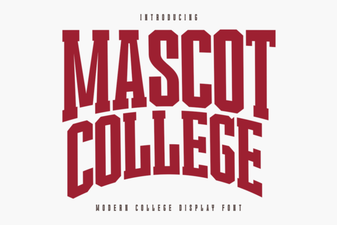 Designing with the Official Mascot College Font
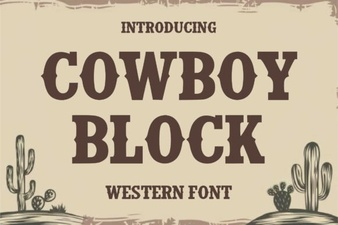 Bring Projects to Life with Cowboy Block Font
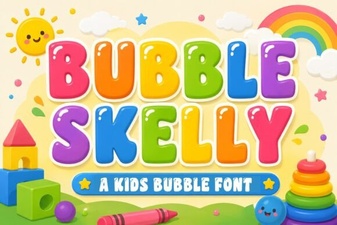 Unique Bubble Skelly Font Projects & Ideas
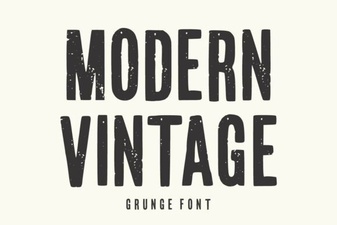 Unlock Your Projects with Modern Vintage Fonts
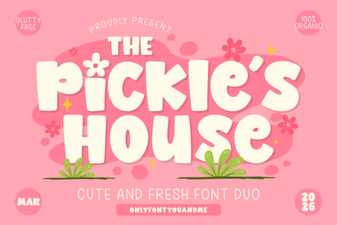 The Pickles House: a Font for Creative Projects
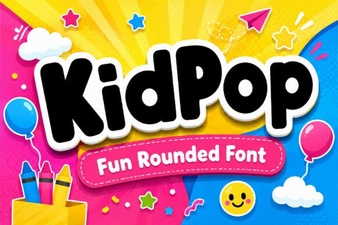 Kidpop Font: Playful Designs & Creative Projects