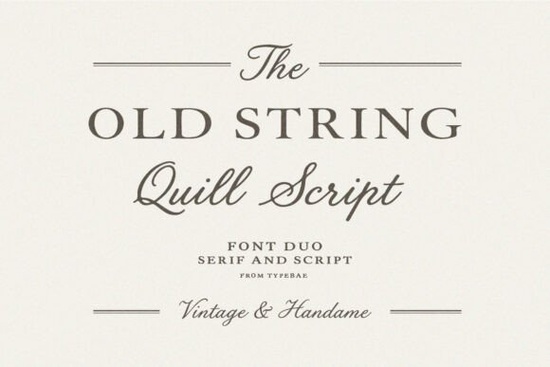
Finding the right typeface for a project that needs history and elegance can be tough. You want something that feels established but not dusty. The Old String Font offers a solution by pairing two distinct styles. It helps create a look that feels personal yet professional. This combination allows designers to build branding that speaks to heritage without sacrificing modern readability. Whether you are making invitations or packaging, having a duo gives you flexibility.
What makes this font duo stand out?
This typeface collection works because it balances structure with flow. The serif component provides a solid foundation, offering clarity and tradition. Meanwhile, the quill-style script adds a human touch, mimicking the movement of a pen on paper. When used together, they create a visual hierarchy that guides the eye naturally. The contrast between the rigid serif and the handwritten script brings warmth to every design. This artistic character is hard to find in single-style families. It saves time because you do not need to hunt for a second font that matches well.
Designers often struggle to find pairs that do not clash. Here, the weights and curves are designed to complement each other. The serif is not too heavy, and the script is not too loose. This balance ensures that text remains legible even at smaller sizes. If you prefer something lighter for different projects, you might explore other ethereal serif styles that focus on airiness. However, for grounded, classic work, this duo provides the necessary weight and presence.
Where does this typography work best?
There are several industries where this specific look shines. Wedding designers frequently seek this aesthetic for invitations and save-the-dates. The script feels romantic, while the serif ensures important details like dates and locations are easy to read. Branding agencies also value this combination for businesses rooted in tradition, such as bakeries, breweries, or boutique hotels. Packaging benefits greatly from this mix, as it can make a product feel premium on a shelf.
Editorial layouts also use these styles to break up text blocks. A headline in the script font draws attention, while body text in the serif maintains readability. For small business owners selling print-on-demand goods, this versatility is key. You can use the same family for a t-shirt design and a business card. If your brand needs more energy, you might look at brighter serif alternatives to add pop. But for sophistication, this vintage approach remains a top choice.
The warmth inherent in the design connects well with audiences seeking authenticity. It feels similar to the vibe found in warm-toned typography collections, evoking comfort and nostalgia. This is crucial for lifestyle brands that want to feel approachable. Instead of looking corporate and cold, your materials will feel inviting. This emotional connection can influence purchasing decisions, making the font a strategic tool rather than just a visual element.
How do you pair these styles effectively?
Using a duo requires some thought to avoid visual clutter. A good rule of thumb is to let one style lead. If the script is used for the main headline, keep the serif for subheaders or body copy. Do not use both styles at the same size next to each other, as they will compete for attention. White space is your friend here. Give the script room to breathe so the flourishes do not get lost.
Color choice also matters. Dark text on a light background usually works best for the serif to maintain clarity. The script can handle slightly more complex backgrounds if the contrast is high enough. Always test your designs on different screens and print proofs. What looks good on a monitor might lose detail when printed on textured paper. You can view more details on the specific collection page to see examples of usage. Seeing real-world applications helps you visualize how it might fit your own work.
Is it suitable for commercial projects?
Most fonts on creative marketplaces come with licenses that allow commercial use, but you must check the specific terms. Typically, you can use these files for client work, physical products, and digital designs. However, embedding the font file itself in a downloadable product is usually restricted. Always read the license agreement before starting a large project. This protects you and your clients from legal issues down the line. Keeping organized records of your licenses is a best practice for any professional designer.
Investing in quality typography is an investment in your brand's perception. When customers see refined letters, they assume the product is equally refined. This typeface helps bridge the gap between where your business is and where you want it to be. It provides the tools to tell a story without saying a word. By choosing a font with character, you ensure your work stands out in a crowded market.
Quick Design Checklist
- Check Contrast: Ensure the script is readable against your background color.
- Limit Styles: Use the script for headlines and the serif for body text to maintain hierarchy.
- Test Print: Always print a proof to check how the fine lines of the script render on paper.
- Verify License: Confirm your commercial rights before selling products featuring this typography.
- Balance Space: Add extra padding around the script letters to prevent crowding.
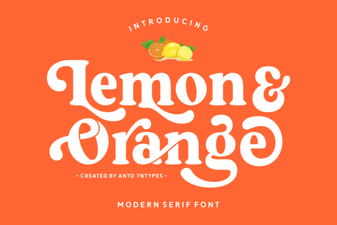 Fresh Citrus Fonts for Web Design Projects
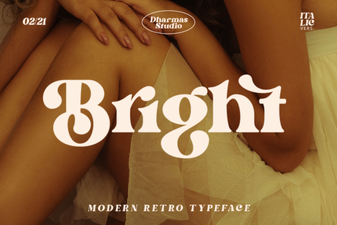 Choosing and Using Bright Fonts for Impactful Design
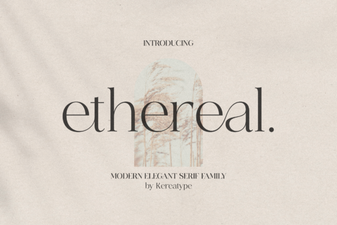 Ethereal Fonts for Elegant Web Design Projects
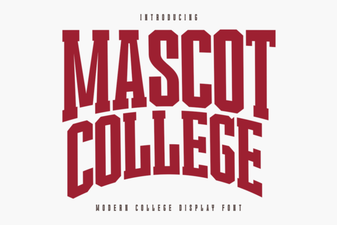 Designing with the Official Mascot College Font
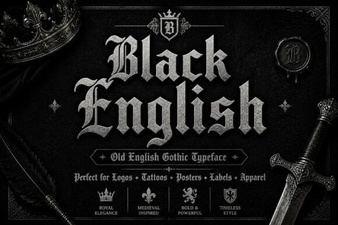 Stylish Black Font Designs for Web Projects
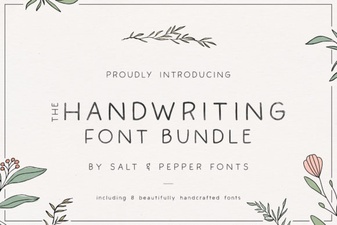 Craft Your Project with the Handwriting Bundle Font